You’ll dramatically reduce your environmental impact by choosing plant-based 3D printing, which cuts greenhouse gas emissions by 96% and saves up to 70% of water resources compared to traditional meat production. You’ll also enjoy superior nutritional profiles with customizable protein content, essential vitamins, and reduced saturated fats that support heart health. The technology eliminates animal welfare concerns while offering precise control over flavors and textures. Continue exploring to discover how this innovation transforms food production economics and accessibility.
Environmental Impact Reduction Through Plant-Based 3D Printing
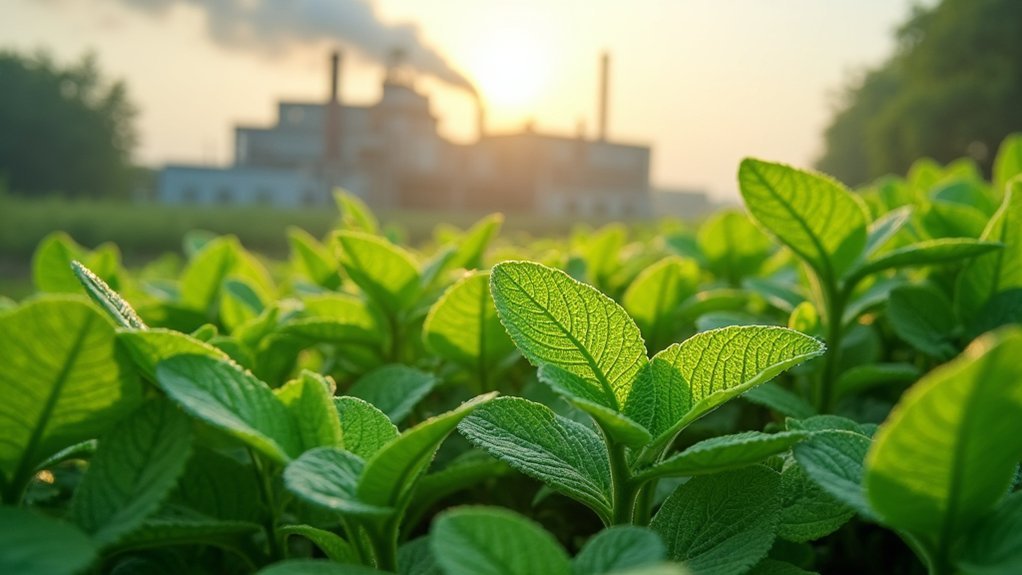
While traditional food production systems strain our planet’s resources, plant-based 3D printing presents a revolutionary approach that can dramatically reduce your environmental footprint. When you choose this sustainable protein technology, you’re contributing to a 96% reduction in greenhouse gas emissions compared to conventional livestock farming.
The environmental impact extends beyond emissions—you’ll support water conservation efforts that save 50% to 70% of water typically required for meat production.
Water conservation through plant-based 3D printing saves 50% to 70% of resources compared to traditional meat production methods.
Plant-based 3D printing also minimizes land use by up to 90%, preventing deforestation and habitat destruction. By embracing ingredients like buckwheat with quick growth cycles, you’re promoting efficient resource utilization.
Additionally, localized production capabilities mean you’ll reduce transportation emissions while accessing nutritious alternatives closer to home, enhancing food security in urban environments.
Health Benefits of 3D Printed Plant-Based Alternatives
You’ll discover that 3D printed plant-based alternatives offer superior nutritional profiles compared to traditional meat, with customizable protein content and essential nutrients tailored to your specific dietary needs.
These innovative foods can incorporate functional ingredients like fiber and antioxidants while maintaining lower saturated fat levels, directly supporting your heart health and cholesterol management.
You’ll also benefit from markedly reduced health risks, as these alternatives eliminate pathogen concerns associated with conventional meat production and can be formulated to avoid allergens that might trigger adverse reactions.
Superior Nutritional Profiles
As 3D printing technology revolutionizes plant-based meat production, you’re gaining access to alternatives with superior nutritional profiles that outperform traditional meat in several key areas.
These plant-based alternatives deliver lower saturated fat levels while maintaining rich protein content, supporting your heart health goals. You’ll benefit from customization capabilities that allow manufacturers to enhance specific essential nutrients based on your dietary requirements.
The healthier profile extends beyond basic nutrition. You can enjoy products enriched with fiber, vitamins, and antioxidants that traditional meat simply can’t provide.
Ingredients like buckwheat offer gluten-free options packed with protein and fiber, promoting better digestive health. This targeted nutritional enhancement means you’re not just replacing meat—you’re upgrading your entire dietary quality while maintaining the familiar textures and flavors you crave.
Reduced Health Risks
Beyond delivering enhanced nutrition, 3D printed plant-based alternatives actively reduce your exposure to health risks commonly linked with conventional meat consumption.
When you choose plant-based ingredients over traditional meat, you’re eliminating antibiotics and hormones that can negatively impact your health. These alternatives offer considerably lower saturated fat levels, directly supporting your cardiovascular health and reducing disease risk.
The customized nutrition capabilities of 3D printing allow you to tailor nutritional content specifically for your needs, removing allergens while boosting beneficial nutrients.
Research consistently shows that plant-based diets correlate with reduced health risks for chronic conditions like type 2 diabetes and certain cancers.
Customization and Personalized Nutrition Capabilities
While traditional meat production offers limited control over nutritional composition, 3D printed plant-based alternatives put precise dietary customization at your fingertips.
This revolutionary technology enables you to control protein levels, fat composition, and eliminate allergens based on your specific dietary needs. You’ll experience unique flavors and textures tailored to your preferences, enhancing satisfaction while reducing adverse reaction risks.
Personalized nutrition through 3D printing supports targeted health goals—whether you need lower sodium options for hypertension or higher protein for athletic performance.
Smart kitchen integration takes customization further, providing meal recommendations aligned with your dietary objectives.
This plant-based meat innovation makes healthy eating more accessible and enjoyable, delivering precisely what your body needs rather than settling for one-size-fits-all traditional options.
Cost-Effectiveness of Plant-Based Printing Materials
Three key economic advantages make plant-based printing materials a financially smart choice over traditional meat production.
You’ll save considerably on raw materials since plant-based ingredients like pea protein and buckwheat cost less than breeding, feeding, and slaughtering livestock. The cost-effectiveness of plant-based printing extends beyond initial expenses—you’re investing in efficient raw material processing that reduces overall production costs.
Plant-based ingredients like pea protein deliver significant cost savings compared to expensive livestock breeding, feeding, and processing operations.
You’ll also benefit from reduced waste through customizable production. Unlike traditional meat production that discards byproducts, 3D printing technology lets you utilize everything, boosting profitability.
As sustainable food technology advances, scalability improvements continue driving down production costs. This makes plant-based printing increasingly competitive, positioning you ahead in an evolving market where efficiency and sustainability determine long-term success.
Animal Welfare and Ethical Considerations

When you choose plant-based printing, you’re directly eliminating the need for animal slaughter and the suffering that accompanies traditional livestock farming.
You’re supporting production methods that don’t rely on factory farming practices like overcrowding, poor living conditions, and inhumane treatment of animals.
This technology lets you create protein-rich alternatives while maintaining ethical standards that align with animal welfare principles.
Eliminating Animal Suffering
Since traditional meat production requires animal slaughter, plant-based printing offers a revolutionary pathway to eliminate this source of suffering entirely.
You’re choosing a technology that prioritizes animal welfare through innovative methods that don’t compromise taste or nutrition. When you support plant-based printing, you’re aligning with ethical considerations that resonate with most consumers—70% express concern about animal welfare in their food choices.
You’re also contributing to environmental sustainability by reducing livestock farming’s impact on animal habitats. This promotes biodiversity and ecosystem health while meeting your consumer preferences for ethically produced food.
With 63% of people supporting legislation promoting plant-based alternatives, you’re part of a growing movement that’s reshaping how we think about food production and animal suffering.
Ethical Production Methods
Beyond eliminating animal suffering, plant-based printing establishes broad ethical production methods that transform how you evaluate food manufacturing.
These innovative approaches address sustainability issues while building consumer trust through transparent processes that prioritize environmental benefits over traditional animal agriculture.
You’ll discover four key ethical practices in food production through plant-based printing:
- Resource Conservation: You’re consuming proteins that require 75% less water and land than conventional livestock farming.
- Supply Chain Transparency: You can trace every ingredient from source to plate, guaranteeing ethical sourcing standards.
- Zero Animal Exploitation: You’re supporting production methods that completely eliminate animal confinement and slaughter.
- Reduced Environmental Impact: You’re choosing options that generate considerably lower greenhouse gas emissions.
These thorough ethical frameworks guarantee you’re making responsible choices that align with modern sustainability values.
Sustainability in Food Production Systems
Although traditional livestock farming has dominated protein production for centuries, plant-based printing represents a revolutionary shift toward sustainable food systems that dramatically reduce environmental impact. When you choose alternative protein sources through 3D printing technology, you’re supporting sustainability and health while gaining significant environmental advantages.
| Environmental Factor | Plant-Based Printing | Traditional Livestock |
|---|---|---|
| CO2 Emissions | 92% less | Baseline |
| Water Usage | 50% less | Baseline |
| Land Efficiency | 10x more protein/acre | Baseline |
You’ll minimize food waste by transforming byproducts into plant-based meats, creating a circular economy. This technology supports biodiversity by reducing monoculture dependencies while requiring dramatically less land, water, and energy than conventional meat production systems.
Technological Advantages of Plant-Based Printing
The precision control offered by 3D printing technology transforms how manufacturers create plant-based meat alternatives, delivering customizable textures and flavors that closely mimic traditional meat experiences.
This plant-based printing innovation enables you to enjoy products with fibrous textures that absorb marinades effectively, enhancing your culinary experience.
Key technological advantages include:
- Personalized nutrition profiles – tailored allergen-free and nutrient-enriched formulations
- Scalable production capabilities – efficient manufacturing to meet growing market demand
- Precise texture replication – fibrous structures that mirror real meat properties
- Enhanced flavor absorption – optimized surfaces for marinades and seasonings
You’ll benefit from technology that supports environmental sustainability while providing ethical food sources.
The customizable nature of this manufacturing process guarantees you receive products designed specifically for your dietary preferences and nutritional requirements.
Texture and Flavor Innovations in Alternative Proteins
You’ll find that 3D printed plant-based meats now replicate the fibrous texture of traditional meat through advanced printing technologies, creating a mouthfeel that convinces even skeptical consumers.
These innovations allow you to experience enhanced marinade absorption, as the printed proteins effectively soak up seasonings and flavors just like conventional meats.
You can also customize flavor profiles to match your exact preferences, making plant-based alternatives more versatile and appealing than ever before.
Fibrous Texture Replication
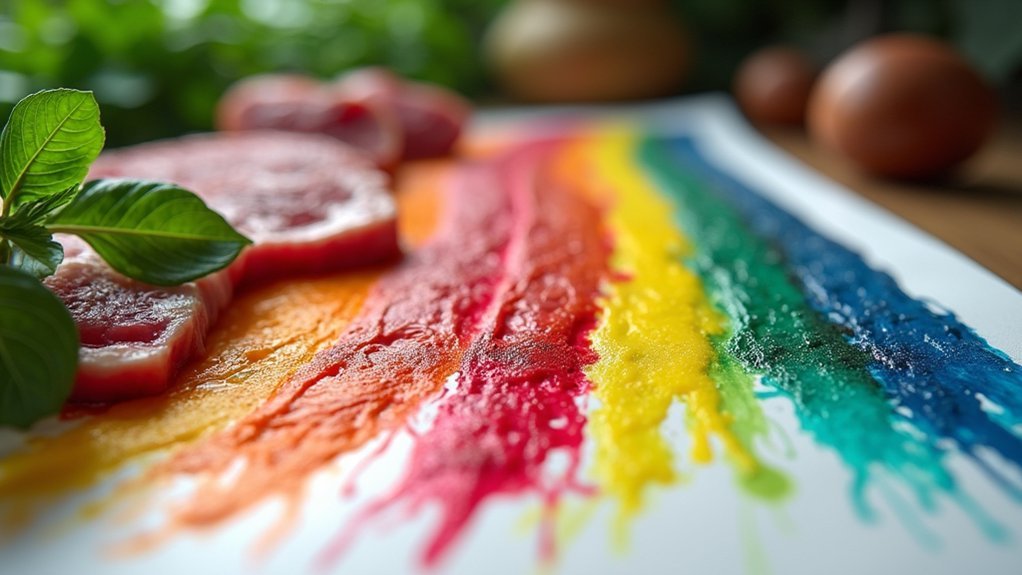
When you bite into a 3D printed plant-based burger, advanced food science works behind the scenes to replicate meat’s complex fibrous texture. This technology precisely layers plant proteins like pea and soy, creating meat alternatives that deliver authentic mouthfeel and chewiness.
The 3D printing process achieves remarkable texture replication through:
- Layered protein structures that mirror traditional meat’s grain patterns
- Strategic fiber alignment creating resistance similar to muscle tissue
- Porous textures that absorb marinades and seasonings effectively
- Variable density zones mimicking fat marbling and lean sections
This enhanced fibrous texture directly addresses your concerns about plant-based options’ sensory qualities.
Studies show these innovations greatly boost consumer acceptance, particularly among Swiss consumers who rated 3D printed alternatives highest in acceptance measures, making them appealing to both meat-eaters and flexitarians.
Enhanced Marinade Absorption
While traditional plant-based alternatives often struggle with flavor penetration, 3D printed meat alternatives revolutionize how marinades interact with protein structures.
You’ll discover that enhanced texture created through precise layering techniques allows marinades to penetrate deeper into plant-based proteins than ever before. The fibrous structure mimics traditional meat’s ability to absorb seasonings, guaranteeing you experience bold flavors throughout every bite.
3D printing technology enables manufacturers to design complex internal channels and porous surfaces that maximize marinade absorption. This means you can enjoy more flavorful dishes while supporting sustainable food choices.
Whether you’re preparing Asian stir-fries or Mediterranean grills, these innovations guarantee your plant-based proteins deliver the rich, satisfying taste profiles you crave without compromising environmental values.
Customizable Flavor Profiles
Beyond absorption capabilities, 3D printing technology grants manufacturers unprecedented control over flavor composition itself.
You’ll discover that customizable flavor profiles in plant-based meat alternatives revolutionize how we experience alternative proteins. This technology doesn’t just replicate traditional meat—it enhances it beyond natural limitations.
Through precise ingredient layering, you can access:
- Smoky barbecue notes that intensify with each bite
- Herb-infused layers creating complex flavor depth
- Spice gradients that build heat progressively
- Umami-rich pockets delivering savory satisfaction
You’re no longer constrained by nature’s flavor boundaries.
3D printing technology allows manufacturers to engineer specific nutritional profiles while optimizing texture and taste simultaneously.
Whether you’re seeking reduced sodium, enhanced protein content, or specific vitamin fortification, these innovations guarantee your dietary preferences don’t compromise flavor enjoyment.
Nutritional Value Comparison Between Methods
Although traditional meat production has long dominated protein sources, 3D printing technology offers you unprecedented control over the nutritional composition of plant-based alternatives.
When comparing nutritional value between methods, you’ll find that 3D printed plant-based meats deliver comparable protein content to traditional meat while providing significant health advantages.
The customization capabilities allow you to reduce saturated fats, promoting better heart health and lower cholesterol levels. You can also increase fiber content for improved digestive health and enhanced satiety.
What’s particularly compelling is how 3D printing enables precise fortification with essential vitamins and minerals, addressing common nutritional gaps in vegetarian diets.
This technology transforms plant-based options into nutritionally superior alternatives tailored to your specific dietary requirements.
Resource Efficiency and Waste Reduction
Since traditional meat production demands massive resource inputs, you’ll discover that plant-based 3D printing dramatically transforms efficiency standards across the food industry.
This innovative technology delivers exceptional resource efficiency while achieving substantial waste reduction compared to conventional livestock farming.
Consider these remarkable improvements when choosing plant-based alternatives:
- Water conservation: You’ll use just 40 gallons versus 1,800 gallons needed for beef production.
- Precision manufacturing: Custom portions eliminate food waste through exact ingredient measurements.
- Carbon reduction: Your greenhouse gas emissions drop by 50% with plant-based diets.
- Land preservation: You’ll reduce deforestation since livestock farming causes 80% of agricultural expansion.
Plant-based 3D printing creates only necessary amounts, minimizing unused products while maximizing nutritional value through scalable, resource-efficient production methods.
Scalability and Industrial Production Potential
When plant-based 3D printing technology reaches industrial scale, you’ll witness a revolutionary transformation in food manufacturing that surpasses traditional meat production in both efficiency and output capacity.
The scalability of plant-based printing eliminates costly breeding, feeding, and slaughtering stages while dramatically reducing your environmental footprint through minimized water usage, land conservation, and lower greenhouse gas emissions.
You’ll benefit from rapid prototyping capabilities that customize products based on consumer preferences and dietary trends.
Industrial production allows you to manufacture diverse meat alternatives efficiently, reaching broader markets without supply chain constraints that limit conventional meat.
As demand for sustainable foods grows, you can leverage this technology to meet health-conscious consumer needs while addressing ethical concerns about animal welfare and environmental degradation inherent in traditional livestock farming.
Consumer Acceptance and Market Trends
Consumer acceptance of plant-based printing technology varies dramatically across global markets, with Swiss consumers leading the charge in embracing sustainable protein alternatives.
You’ll find that perceived healthiness drives adoption rates, as consumers increasingly prioritize nutritional value in their food decisions. Environmental friendliness notably shapes your purchasing choices, with many seeking options that promise reduced ecological impact compared to conventional meat production.
Current market trends reveal:
- Growing preference shifts – You’re witnessing consumers abandon traditional meat for sustainable protein sources
- Education drives adoption – You’ll see increased willingness when understanding health and environmental benefits
- 3D-printed alternatives face resistance – You’ll notice lowest acceptance rates for byproduct meat and fish
- Marketing challenges emerge – You need effective strategies to overcome consumer perception barriers
Continued education enhances your willingness to embrace these innovative alternatives.
Food Security and Global Supply Chain Benefits
As global food systems face mounting pressure from climate change and population growth, plant-based printing emerges as a transformative solution that’ll reshape how you think about food security and supply chain efficiency.
When you choose plant-based printing, you’re supporting environmental sustainability by reducing greenhouse gas emissions from livestock farming, which accounts for 14.5% of global emissions. You’ll also help optimize resource use—producing plant-based protein sources requires considerably less water and land than traditional meat production.
This technology streamlines supply chains by minimizing transportation needs and processing requirements. Plant-based printing creates more resilient food systems, protecting against disruptions while providing customizable nutrition to address malnutrition in vulnerable populations worldwide.
Regulatory and Safety Standards for Plant-Based Materials
While plant-based printing technology advances rapidly, you’ll need to navigate an evolving regulatory landscape where agencies like the FDA and EFSA are still developing extensive guidelines for 3D-printed food safety and quality.
These regulatory frameworks focus on thorough safety assessments that evaluate potential allergens, contaminants, and nutritional profiles in plant-based materials to protect consumer health.
You can expect these key regulatory developments:
- Standardized safety protocols specifically designed for 3D-printed foods that guarantee production methods don’t compromise quality
- Clear labeling requirements mandating ingredient disclosure, nutritional information, and allergen warnings for transparency
- Collaborative guidelines developed between regulatory bodies, industry stakeholders, and scientific communities
- Ongoing research initiatives establishing thorough safety standards tailored to plant-based printing technologies
This regulatory evolution guarantees you’ll have access to safer, well-regulated plant-based alternatives.
Frequently Asked Questions
Why Is Plant-Based Meat Better Than Regular Meat?
You’ll reduce your environmental footprint by up to 90%, consume less saturated fat and cholesterol, conserve water and land resources, support animal welfare, and enjoy more reliable protein sources less affected by supply disruptions.
Why Might People Choose Not to Eat Printed Meat?
You might avoid printed meat because you’re concerned about unknown health effects, higher costs, unfamiliar textures, and prefer traditional foods you’ve trusted throughout your life over newer alternatives.
Why Are Plant-Based Meats Required to Be Labeled Differently Than Traditional Meat Products?
You’ll find plant-based meats labeled differently because they’re made from plants, not animals. Regulatory agencies require distinct labeling to prevent confusion about ingredients, nutritional content, and production methods, ensuring you make informed dietary choices.
What Are the Benefits of Plant-Based Meats?
You’ll enjoy lower saturated fat and comparable protein levels while reducing your environmental impact. Plant-based meats use fewer natural resources like water and land, plus they’re designed to taste like traditional meat.